- Home
- About Byone
- Factory Tour
- Products
- Project Portfolio
- Download
- Contact Us
Leave Your Message
The evolution of retail implies that effective lighting in supermarkets becomes crucial since e-commerce threatens to take anything from shopping experiences to consumer preferences. Hence "Supermarket Lights" will be a big pull factor among customers. Following this blog are some insights into the Global Supermarket Lights Market in 2025, focusing on emerging trends and cutting-edge technologies that can optimize the shopping experience while assuring energy efficiency.
Here at Foshan Byone Electric Co., Ltd., our pride lies in research best practice for new inventions and innovations in the lighting industry. We have been able to secure intellectual property rights in our advanced lighting technologies through rigorous, independent research and development and now stand tall as a high-tech solution provider backed by National government departments. With such expertise, we are prepared to take buyers through the paces before they make decisions in supermarket lighting; that is where, though they beautify, they also help meet sustainability goals. Thus, the next time we are going to talk about five important things a buyer should know before delving into the ever-changing world of supermarket lighting solutions.
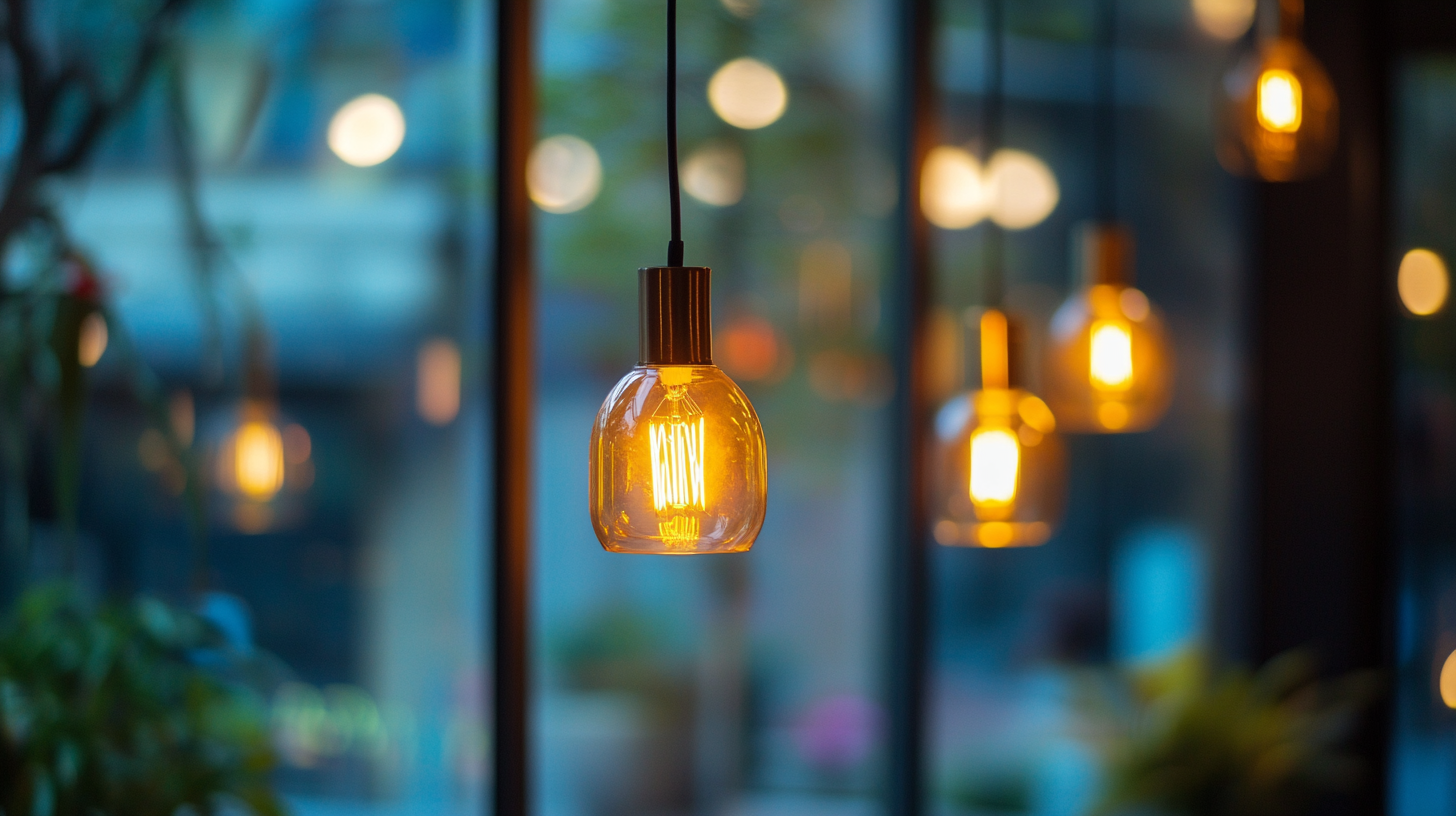
The supermarket lights market is set for rapid changes in the years up to 2025 as consumer preferences and regulations evolve. Perhaps the most dominant trend is towards energy-efficient lighting solutions, particularly LED technology, with market rebounds expected to make a value of about $56.63 billion. In the wake of intense competition for supermarkets, the changing expectations of shoppers will put the choice of a high-quality sustainable light that enhances in-store ambiance and product visibility right at the heart of every retail strategy. Also, lighting designs emphasizing aesthetics and performance will be gaining attention. Supermarkets have begun to realize that proper lighting serves more than mere illumination. It is fundamental to setting an inviting atmosphere; it shepherds customers through the store; and it just may increase sales. Retailers must therefore focus on selecting lighting fixtures that echo their brand identity while remaining within the parameters set by new safety standards on food safety. As this industry goes forward, it is very beneficial for supermarket purchasers to know these trends and to deliberate investing into lighting systems for operational efficiency and improved customer engagement. This way, they will be able to adapt to changing pressure in the retail environment by rendering themselves exceptional on a fairly crowded platform.

Thanks to technology and energy efficiency being on the verge of becoming vainglorious, the supermarket lighting market is starting to witness abruptly changing trends. Allied Market Research has recently reported that by 2025, the global supermarket lighting market will reach $5.7 billion, having grown in value at an astounding compound annual growth rate of 6.3% (2018-2025). Such growth in the supermarket lighting market can largely channeled towards LED innovations, which have supported the present-day ambient designs for supermarkets. Compared to other traditional lighting methods, LEDs consume less energy, have incredibly long life spans, and very little heat generation: all perfect arguments consideration for installing supermarket light in areas with large traffic.
Another important trend in kind with the illumination in supermarkets is the popularity of Smart Lighting systems. Markets and Markets claim this segment is anticipated to expand from $8.5 billion in 2020 to $35.7 billion by 2026, with a compound annual growth rate (CAGR) of 27%. With smart systems based on IoT, grocery retailers can customize their lighting according to time of day, traffic, and weather. Such flexibility not only enhances the shopping experience but significantly reduces expenses on electricity bills.
Tunable white light is making its way into supermarket lighting as the industry seeks to make the shopping environment all the more enticing. This technology permits the retailers to vary the color temperature of their lighting, creating a distinct atmosphere for mood and behavior of their customers. The Journal of Environmental Psychology found that proper lighting could increase the time spent by customers in the store by as much as 20%, thus positively affecting sales. These innovations would not only work for operational efficiency; they would also work toward sustainability, which is becoming an ever-growing consideration for the current generation of supermarket buyers.
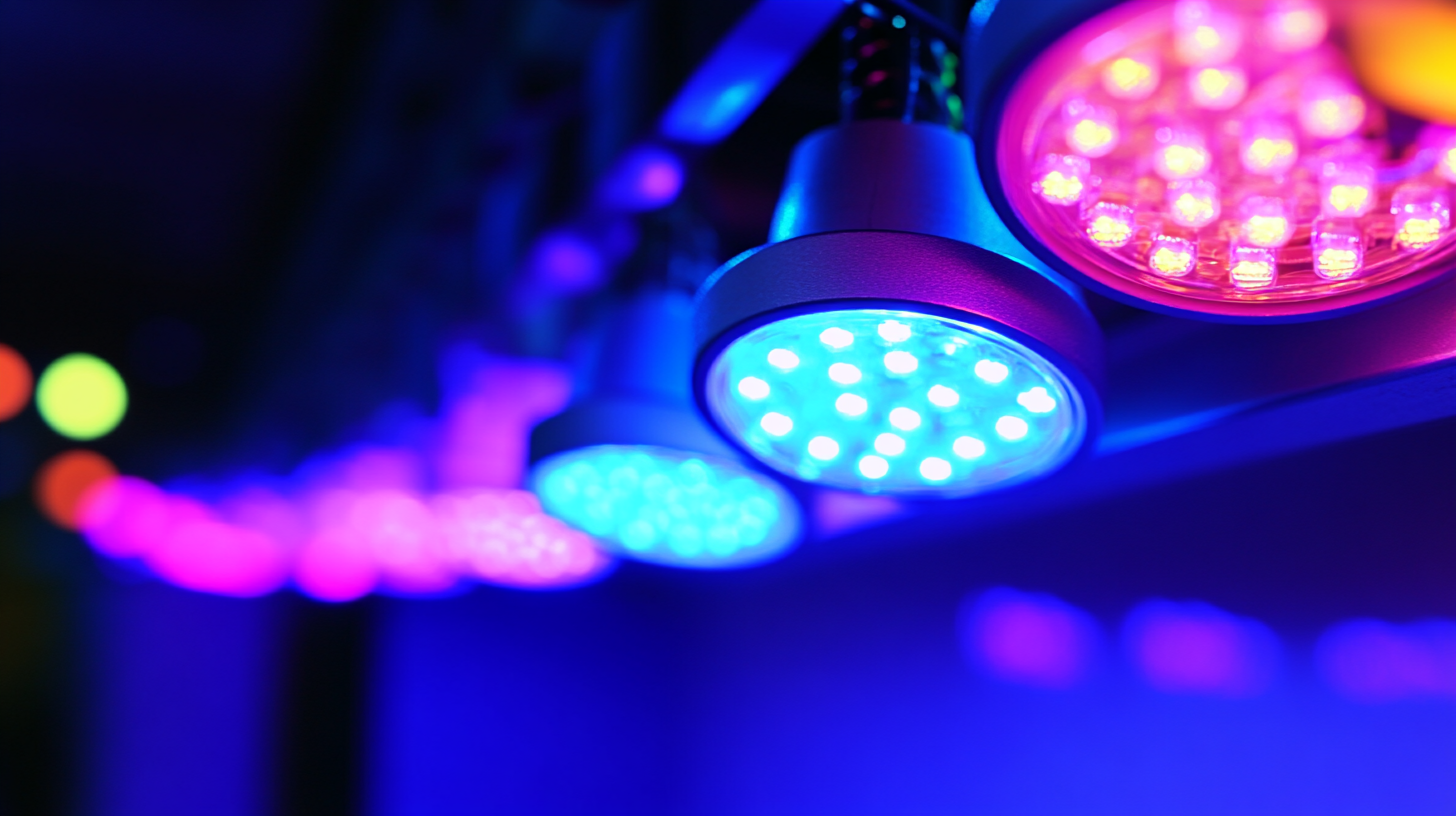
Environmental awareness in supermarket lighting matters to retailers and consumers alike. The movement towards sustainable energy sources now enables supermarkets to evaluate not only their lighting choice but also other factors that matter in reducing carbon and energy efficiency. A well-thought-out lighting scheme functions not just to illuminate the aisles but also supports eco-friendly processes valued by today's responsible consumers.
One of the most important trends is Led Lighting adoption, which is advantageous in many ways over the conventional form. LEDs are the energy-saving champions, which means that the less energy is consumed, the less it costs the store owner, and the lesser the greenhouse gas emissions. In addition, because they last longer, less frequent replacements mean less waste. With this in mind, supermarkets that adopt LED technology highlight their commitment to sustainability and build brand loyalty with a consumer that is increasingly assessing businesses on their environmental footprint.
Moreover, smart lighting technology configured to keep the energy use of supermarkets in check offers another great avenue of energy efficiency. Sensors with automated systems enable retail to adjust lighting on everything from occupancy and ambient light levels. Not only does this energy-efficient innovation help maintain an optimal shopping environment, but it also serves to support the environmental viewpoint into the supermarket's sustainable-side, hence enhancing the commercial environment.
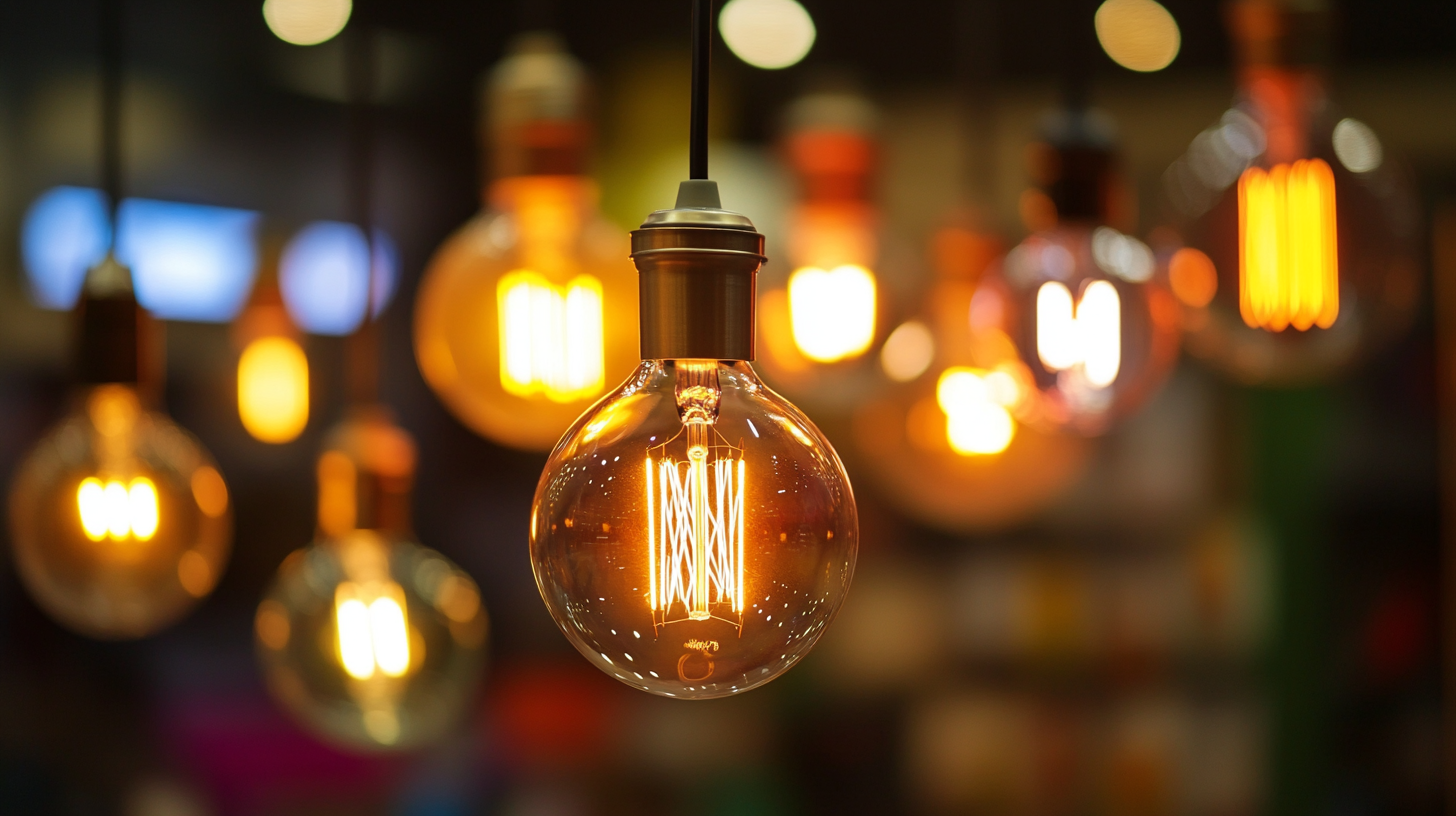
There are a few important things that any buyer needs to put into consideration while choosing supermarket lights. These are those few things that immensely affect the whole shopping experience and not just the design part of it. The very first among them is the type of lighting technology. Today tube lights are replaced by LED lights. Not that they come for energy buffering but also for the efficiency of the cost. Since LED lights will be very popular in the future, they would have provided lighting quite superior to that of incandescent or fluorescent lights, when using LED lights, enhanced product appearance will thus be encouraged to be maximally visible to customers.
Another strong point is their color. Light typically comes in warm tones, which range from 3000K to 3500K; it gives that warmly welcoming glow to have customers spend extra hours in that supermarket. Cooler tones are generally from 4000K and above, as they give a nice pastel-off look to those areas needing precise lighting-great for fresh produce as well. It's also relevant to seeing how dimmable is the lighting; all the lighting systems are flexible in sharing with how the general mood can be brightened or changed at different times of the day or during special events.
Lastly, buyers should consider the layout and design of the supermarket when selecting lighting solutions for the store. A lighting scheme which has been well planned will guide one through the store, enabling it to highlight particular products and making it easy for customers to get around. Using light layers such as ambient, task, and accent lighting will give a nice aesthetic and functional feeling to any corner of the supermarket really well illuminated. In this way, a buyer's decision would lead to an improved shopping experience as well as operational efficiency.
It is also elusive for supermarkets considering cost-effectiveness in spending on lights to make buyers realize the long-term benefits as against the initial capital outlays. All too many times, companies are so easily swayed by lower upfront costs that they forget to take a step back and recognize the shorter savings on energy bills and maintenance over the lifetime of the product. Take LED lights—they may cost more at the outset than other bulbs, but their efficiency and longevity are usually translated into considerable savings "down the line."
All these buyers are expected to include all factors in total cost consideration without exclusion of initial expense when they should make the purchase. Examine other aspects such as energy efficiency, life, and warranty terms. Operational value can be reduced and savings for the company's goals can be improved, thus making it a sort of double win for the company, which is either tightening its financial belt or making sustainable environmental efforts.
Choose the right ambient light and advanced lighting solutions added to different store areas because they would have a great shopping experience, drawing out potential sales. Properly-lit areas can create an inviting environment and perhaps influence the consumer's behavior regarding upliftment. Just so, supermarket lighting that is efficiently and cost-effectively designed is not only about urgent requirements but also about putting the business in a good position for the future by such positive budgeting and using the resources wisely.
The role of LED lighting in enabling supermarket operations and improving the customer experience is paramount, particularly as the industry transitions to energy-efficient solutions. Low energy and high lifespan are hallmarks of LED technology, which is fast becoming a supermarket's favorite for ensuring the best possible operational efficiency geared toward a friendly atmosphere.
With the amazing array of colors plus important controls that LED lights boast, supermarkets can create various atmospheres within a supermarket that resonate with their brand identity and optimize shopping experiences. Bright, well-lit aisles create an impression of cleanliness and safety that encourages people to linger. In addition, with the right lighting, it can even enhance certain products, directing shoppers to sales and highlighting them.
Besides, the life cycle of LED luminaires enables supermarkets to save on maintenance costs and loss of productivity that arises when replacing bulbs too often. Even as energy regulations get more stringent, the adoption of LED lighting ensures compliance for retailers and is a further add-on to their values of being environment-conscious. Hence, its functionality stretches from being merely functional to contributing positively to brand reputation among increasingly eco-aware consumers.
The supermarket lights market is evolving rapidly, with eminent retailers using innovative lighting solutions that enhance the shopping experience and conserve energy efficiency. Case studies from major supermarkets report the transformative effects of modern lighting technologies. For example, a report by MarketsandMarkets states that the LED lighting market in retail is expected to grow from $20 billion to $25 billion by 2025 due to energy-efficient solutions gaining acceptance.
A prime example would be the case of Walmart that converted all stores to LED lighting. Their sustainability reports showed that such an enhancement reduced energy consumption by 20%\—resulting in substantial cost savings. Brighter and more uniform lighting improved the visibility of goods, which in turn added to customer satisfaction and increased sales per square foot.
Tesco, on the other hand, has fitted smart lighting control into their outlets that measures foot traffic through sensors and adjusts brightness levels accordingly depending on the time of the day. This kind of solution lessens energy wastage and at the same time makes the shopping ambiance more interesting. Industry analysts also estimate that such intelligent lighting can achieve energy savings of 30% or so; reinforcing that mix of technology and sustainability is very much relevant to retail lighting strategies. Thus, moving toward all-dynamic lighting solutions is not really a trend but an important strategy for the supermarket industry, striving to make profit and boost sustainability.
The lights market for supermarkets is transforming as retailers move for new solutions to improve the shopping experience while providing energy efficiency. One of the most thrilling trends is the evolution of LED technology, which allows reduction in energy consumption while providing various options in lighting. In the future, it is estimated that supermarkets will implement more and more smart lighting systems that will provide brightness and color temperature adjustment based on the time of day, customer traffic, and other parameters. This kind of flexibility will create an additional dimension to the ambiance and will, therefore, promote better operational cost.
Lighting innovations in the supermarket must concentrate on energy efficiency and sustainability. Get prepared for an increase in the use of eco-friendly materials and designs that complement broader environmental goals. Manufacturers are likely to bring out products that consist of recycled components and those that minimize waste during production. This change is not only fulfilling consumer demand for sustainable practices but also elevating the brand image of supermarkets that pledge environmental responsibility.
Another big trend is the integration of lighting with digital technology. Since supermarkets have been setting foot into omnichannel retailing, lighting systems could find themselves featuring interactive displays that guide shoppers or highlight promotions. Advanced sensors could also personalize the shopping experience by making adjustments based on the specific preferences of each shopper. As the industry heads toward an interlinked tomorrow, innovative lighting solutions will have an even greater role in creating customer engagement and satisfaction.
The growth is primarily driven by advancements in LED technology and a growing emphasis on energy efficiency, with the global market expected to reach $5.7 billion by 2025.
LEDs consume less energy, have longer lifespans, and emit lower heat, making them ideal for large retail environments.
Smart lighting systems utilize IoT technology to optimize lighting based on factors like time of day and customer traffic, enhancing the shopping experience and reducing electricity costs.
Tunable white lighting allows retailers to adjust color temperatures to influence customer mood and behavior, potentially increasing in-store time and boosting sales.
It's crucial to evaluate long-term savings against initial investments, as higher upfront costs for energy-efficient solutions like LEDs can lead to significant savings over time.
Buyers should assess the total cost of ownership, including energy efficiency, lifespan, and warranty terms, rather than just focusing on upfront costs.
Properly lit spaces create a welcoming atmosphere, positively influencing consumer behavior and potentially increasing sales.
Improving energy efficiency through advanced lighting can reduce operational costs and support sustainability goals, benefiting both the economy and the environment.
The smart lighting segment is projected to grow from $8.5 billion in 2020 to $35.7 billion by 2026, with a CAGR of 27%.
While LED lights may have higher initial costs, their efficiency and longevity typically result in significant long-term savings on energy bills and maintenance.