Leave Your Message
0%

Hey there! As we look ahead to 2025, it's pretty clear that the Hall Lighting industry is going to see some major shifts, all thanks to new tech and creative designs popping up. A recent report fromMarketsandMarketshighlights that the global Smart Lighting market—which includes those hall lights—is set to hit a whoppingUSD 60.5 billion by 2023. That’s a mouthful, right? And it’s booming with a growth rate of 23% from 2018! Most of this surge comes from folks wanting energy-efficient lighting and smart tech being more integrated into commercial spaces.
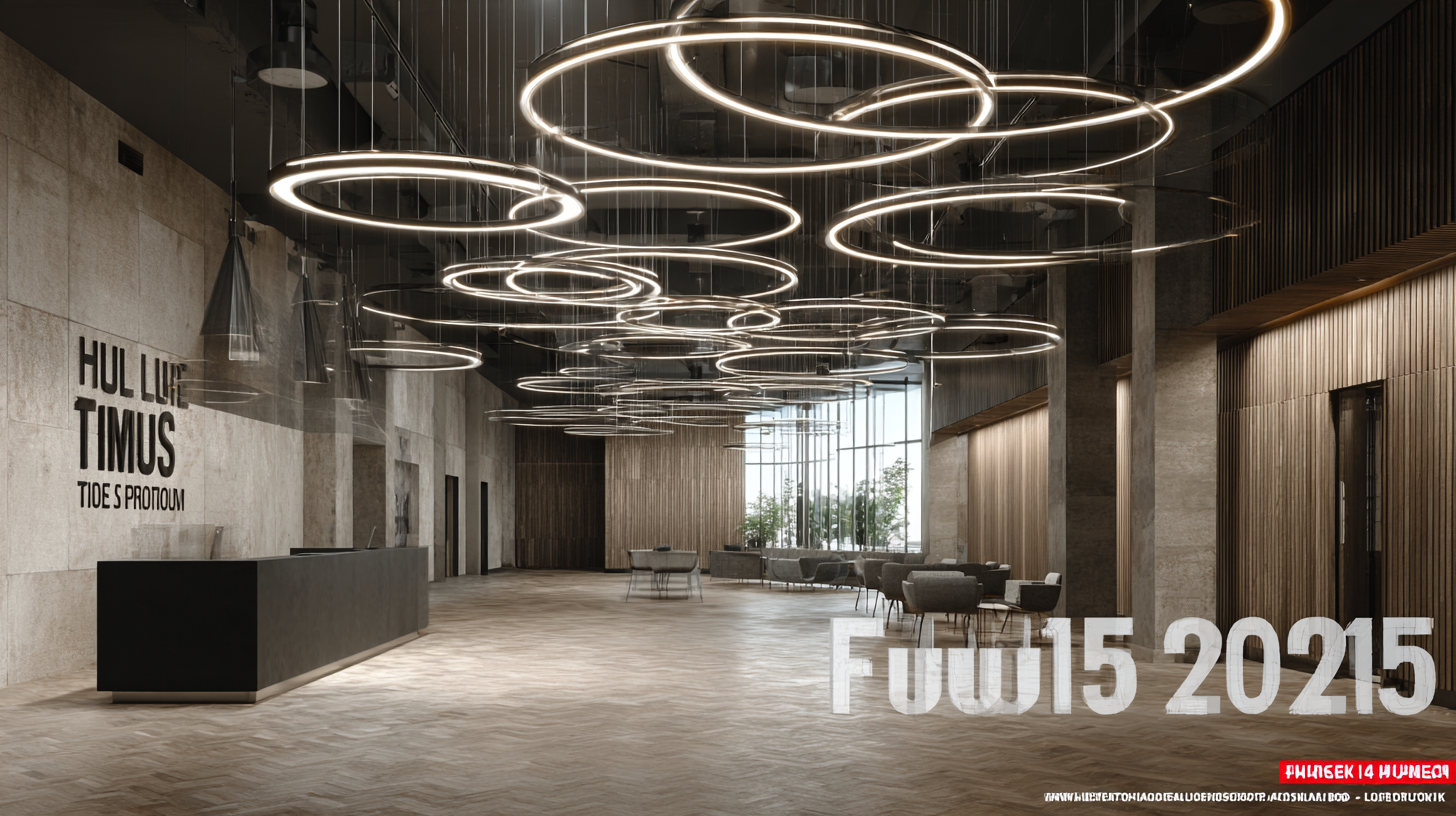
Future Trends in Hall Lighting for 2025 Insights and Innovations in Best Hall Light Solutions

Over here at Foshan Byone Electric Co., Ltd., we’re super excited to be leading the charge in this transformation. We really believe in research and development, and we've even snagged some intellectual property rights for our top-notch technologies. Our products are not just about the latest in hall lighting; they also focus on excellent after-sales service and keeping maintenance costs low. We want to make sure we're meeting the ever-changing needs of our customers in this fast-paced market.

Future Lighting Technologies: Shaping Hall Spaces for 2025

As we look toward 2025, the evolution of lighting technologies is set to significantly transform hall spaces, enhancing both aesthetic appeal and functionality. Innovations such as smart lighting systems, which adapt to the specific needs of a space and its occupants, are becoming increasingly prevalent. These systems utilize sensors and automated controls to optimize the use of natural light while reducing energy consumption. This not only creates a more sustainable environment but also contributes to the comfort and well-being of those within the space.

In addition to smart technologies, advancements in LED lighting continue to push the boundaries of design in hall spaces. By offering a broader spectrum of colors and adjustable brightness levels, LEDs allow for more personalized lighting scenarios. This versatility enables event organizers and space designers to curate unique atmospheres that align with various themes and purposes. The integration of tunable white lighting is another exciting trend, enabling transitions from warm to cool tones to influence mood and productivity effectively. With these innovations, the hall lighting of 2025 promises to be more dynamic, responsive, and aesthetically pleasing than ever before.
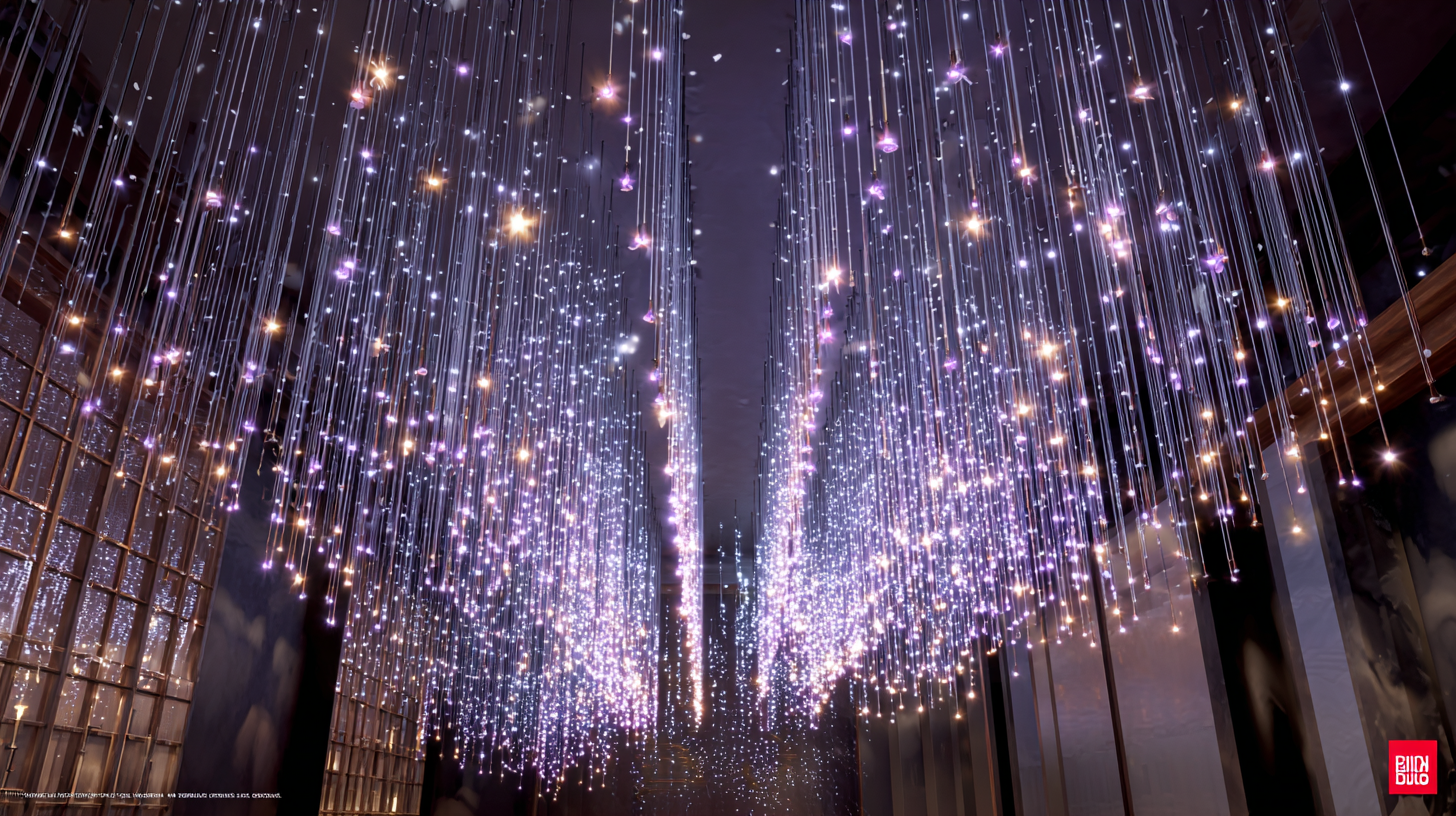
Future Trends in Hall Lighting for 2025 Insights and Innovations in Best Hall Light Solutions

Embracing Smart Lighting: Integrating IoT in Hall Illumination

Looking ahead to 2025, it’s clear that integrating IoT into hall lighting is going to totally change the way we light up our spaces. I mean, just take a look at the smart lighting market – it’s projected to hit around $16.17 billion in 2023! And it’s not slowing down; they expect it to grow at an impressive rate of about 16.52% each year until 2031. So, if you’re in the lighting industry, you really need to keep up with these changes. This growth shows a real shift toward smart systems that not only save energy but also let us control and customize our lighting on the fly. Cool, right?

To really tap into the benefits of smart lighting, think about adding sensors and features that respond to things like how many people are in the room or even the amount of natural light available. Plus, with LED technology on the rise – and industrial fixtures projected to reach a whopping $14 billion by 2033 – venues can cut down on energy costs while also extending the life of their lighting setups.

**Quick tip:** It might be worth looking into integrated systems that let you access the cloud and manage everything remotely. This makes it super easy to tweak settings and handle maintenance, which really enhances the overall experience for everyone. And of course, staying in the loop with the latest IoT trends will help keep your hall lighting ahead of the curve and energy-efficient, making a positive impact on our future.

Future Trends in Hall Lighting for 2025

Energy Efficiency Revolution: Impact of LED Technology in Halls

You know, in the past few years, energy efficiency has really become a hot topic, especially when it comes to lighting up halls. LED technology has taken center stage, and it's no wonder why! A report from the U.S. Department of Energy reveals that these LEDs can actually cut energy use by a whopping 75% compared to those old-school incandescent bulbs. I mean, that's a game-changer! Not only does this switch save a ton of cash for facilities, but it also helps reduce carbon emissions. So, it’s no surprise that LEDs are becoming the go-to choice for sustainable lighting in big spaces.

Future Trends in Hall Lighting for 2025 Insights and Innovations in Best Hall Light Solutions

Looking ahead to 2025, the advancements in LED tech are set to really shake things up even more. We’re seeing smart LED systems popping up that can connect to the Internet of Things (IoT), which means they can adapt lighting on the fly based on what’s happening in the hall. I came across a study by Navigant Research that predicts we’ll see over 220 million connected LED lighting units shipped worldwide by 2025. That’s pretty impressive, right? It really highlights how crucial energy-efficient tech is as we rethink how we light up large areas. With all these energy-saving perks and tech breakthroughs, it seems like the future of hall lighting is looking pretty bright, where innovation and efficiency are really going hand in hand.

Design Trends: Aesthetic and Functional Innovations in Hall Lighting

You know, when it comes to hall lighting, things are really changing as we get closer to 2025. There's a big push not just for looks but also for how well these lights work. Latest reports from the International Energy Agency suggest that by 2025, smart lighting solutions are gonna make up more than 50% of the market! This is really thanks to some cool advancements in LED tech and how the Internet of Things (IoT) is playing a role. Designers are starting to see the importance of having lighting that’s both stunning and energy-efficient, adapting to what people actually need.

There are some exciting innovations popping up too! For instance, tunable white lighting lets you adjust the color temperature, which is super handy for setting the right vibe in a space. A recent study from the American Institute of Architects found that around 70% of architects think that well-thought-out lighting can really change how we perceive spaces, especially in hallways and bigger venues. Plus, things like motion sensors and daylight harvesting can cut energy use by up to 30% in commercial places! All of this points to a clear trend—people are really looking for hall lighting that blends good looks with sustainability, which is definitely paving the way for the future of architectural design.

Future Trends in Hall Lighting for 2025
Trend Description Key Innovations Aesthetic Appeal Functional Benefits
Smart Lighting Integration with IoT for enhanced control. Voice control, app integration, automated adjustments. Sleek modern designs with subtle tech interfaces. Energy efficiency, personalized lighting settings.
Sustainable Materials Use of eco-friendly and recycled materials in designs. Bamboo, reclaimed wood, recycled metals. Natural textures creating warmth and inviting spaces. Reduced carbon footprint, durability.
Adjustable Color Temperature Lighting that can be tuned for various scenarios. Dynamic spectrum LED lights. Creates different moods with color changes. Supports various activities, improves well-being.
Minimalist Designs Focus on simplicity and clean lines in design. Recessed lighting and concealed fixtures. Elegant aesthetics that blend seamlessly with interiors. Maximizes space perception, easy to maintain.
Integrated Art Installations Combining art with lighting for unique installations. Light sculptures, projection mappings. Creates focal points and enhances ambiance. Transforms spaces functionally and artistically.

Sustainable Solutions: The Rise of Eco-Friendly Hall Lighting Options

As we head into 2025, the focus on sustainability in hall lighting is really changing the game for how we design and set up our lighting solutions. More and more folks are leaning towards eco-friendly hall lighting options, and you can see why—with the growing awareness around environmental issues and the push for energy-efficient solutions. You’ve probably noticed that LED technology is taking the lead here; it packs a punch in terms of brightness while using way less energy compared to those old incandescent bulbs. This switch isn’t just good for your electricity bill; it’s also a great way to shrink our carbon footprints, which makes it super appealing for both business and home settings.

And it doesn’t stop at traditional LEDs. We’re also seeing some really cool innovations like solar-powered lighting popping up as solid options for halls that need to balance function with sustainability. These bad boys tap into renewable energy and can save a ton on operational costs in the long run. Plus, with smart lighting systems coming into play, people can tweak brightness levels and energy use based on how many folks are around and what kind of natural light is streaming in. By choosing eco-friendly options, we’re not just making our spaces look better; we’re also playing a part in creating a sustainable future for the next generations. How awesome is that?

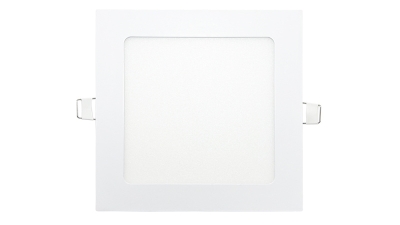
Illuminating Efficiency: How the 9W 540LM BW-MB391590 LED Recessed Mounted Panel Light Aligns with 2023 Energy Efficiency Standards

The illumination landscape is evolving, and the 9W 540LM BW-MB391590 LED Recessed Mounted Panel Light stands at the forefront of this transformation. Designed to meet the 2023 energy efficiency standards, this product embodies the perfect blend of functionality and aesthetics. With a brightness output of 540 lumens, it provides ample light for any environment, whether it’s a cozy living room or a sophisticated office setup. The ability to select from a color temperature range of 3000K to 6500K ensures that users can create the ideal ambiance for any occasion, enhancing both comfort and productivity.

What sets the BW-MB391590 apart is its ultra-thin design, enabling seamless installation in various settings without consuming additional space. This feature makes it a prime choice for modern architectural designs that prioritize sleek sophistication and minimalism. Moreover, with a lifespan of 15,000 hours, it significantly reduces the need for frequent replacements, contributing to long-term cost savings and reduced maintenance efforts. With energy efficiency being a top priority in today’s market, this recessed panel light not only meets but exceeds current standards, making it a smart investment for environmentally-conscious consumers.

FAQS

: What is the main advantage of LED technology in hall lighting?

: LED technology significantly reduces energy consumption, with the potential to save approximately 75% more energy compared to traditional incandescent bulbs.

How does the adoption of LED lighting benefit facilities financially?

The shift to LED lighting fosters significant cost savings for facilities through reduced electricity costs.

What environmental impact does LED technology have?

LED lighting contributes to decreased carbon emissions, making it a key component of sustainable lighting strategies.

What innovations in LED technology are expected by 2025?

Innovations include the emergence of smart LED systems that integrate IoT connectivity for adaptive lighting solutions tailored to specific hall activities or events.

According to predictions, how many units of connected LED lighting will be shipped globally by 2025?

Global shipments of connected LED lighting are expected to exceed 220 million units by 2025.

What are some eco-friendly alternatives to traditional hall lighting?

Eco-friendly alternatives include solar-powered lighting and other sustainable technologies that harness renewable energy.

How do smart lighting systems enhance energy efficiency in halls?

Smart lighting systems allow users to adjust brightness and energy usage based on occupancy and natural light levels, optimizing energy consumption.

Why is there a growing emphasis on sustainability in hall lighting?

Increased awareness of environmental issues and the need for energy-efficient solutions are driving the focus on sustainability in hall lighting design and implementation.

What benefits do eco-friendly lighting options provide beyond energy savings?

Beyond energy savings, eco-friendly lighting options enhance the aesthetic appeal of spaces and contribute to a sustainable future for future generations.

How does the shift to LED technology impact carbon footprints?

The transition to LED technology significantly reduces carbon footprints by consuming less energy than traditional lighting solutions.

Ethan

Ethan

Ethan is a dedicated marketing professional at Foshan Byone Electric Co., Ltd., where he passionately promotes cutting-edge technology solutions. With a strong foundation in independent research and development, he has been instrumental in securing intellectual property rights for the company's......
Previous Exploring the Future of Illumination: Dob Led Light Innovations for 2025