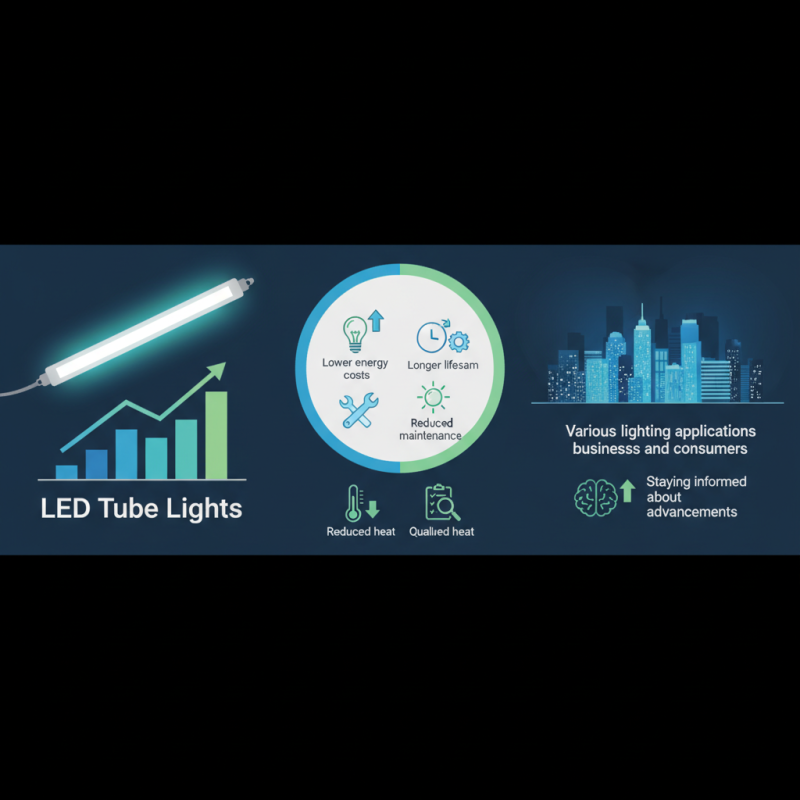
Led Tube Lights are really gaining popularity these days, especially for all sorts of lighting needs. Apparently, the global market for these lights is set to hit around $28.81 billion by 2027—wow, that’s a lot! It just goes to show how both businesses and regular folks are really starting to lean toward more energy-efficient lighting options. Pretty cool, right?
Dr. Emily Green, who’s a lighting expert over at the International Energy Agency, mentioned that LED tube lights are super flexible and don’t cost a ton to run. And honestly, one of the best things about them is they last a long time and don’t need much maintenance. Plus, they turn on instantly and give off less heat compared to those old-school fluorescent lights—that’s a win in my book.
But, heads up—not every LED tube light you find out there is top-quality. Some cheaper options out there can have performance problems or just not last as long as they’re supposed to. So, it’s really important to do your homework before buying. The industry is changing so fast, it’s easy to get overwhelmed, but staying informed about what’s new and what’s actually useful can save you a lot of hassle. As these lights keep getting more popular, knowing what to look for really matters!
What is a LED Tube Light?
LED tube lights are a popular lighting solution for various applications. They are an energy-efficient alternative to traditional fluorescent tubes. These lights consist of a long, cylindrical design, typically made from durable plastic or glass. Using LED technology, they provide bright illumination while consuming less power.
One key benefit of LED tube lights is their longevity. They can last up to 25,000 hours or more, reducing the frequency of replacements. Additionally, they emit minimal heat, making them safer and cooler to operate. This feature can be particularly beneficial in confined spaces. However, some installations may require adjustments. Ensure your fixtures are compatible with LED technology, or it might lead to flickering or inadequate brightness.
Tips: When selecting LED tube lights, consider the color temperature. Warmer lights create a cozy atmosphere, while cooler lights are ideal for task-oriented spaces. Also, think about the lumen output needed for your specific area. Not enough brightness can make a workspace unproductive.
Installation can have its challenges. It's essential to double-check connections and wiring. A small mistake can cause issues, such as short circuits or light failure. It's crucial to be attentive to these details to ensure optimal performance.
Key Features of LED Tube Lights
LED tube lights have unique features that set them apart from traditional lighting options. They are designed to provide better energy efficiency and longer life expectancy. One key feature is their reduced energy consumption. These lights can use up to 75% less power than incandescent options. This leads to substantial savings on electricity bills over time.
Another noteworthy aspect is their availability in different color temperatures. Users can choose warm or cool white light according to their needs. This versatility makes them suitable for various applications. The instant brightness they offer is also impressive. Unlike fluorescent lights, which require warm-up time, LED tubes shine bright immediately.
Furthermore, they are often designed with a shatter-resistant outer shell. This makes them safer in environments like schools or hospitals. Despite these amazing features, there are occasional concerns about compatibility with existing fixtures. Some consumers might find it tricky to retrofit old lighting systems. Still, the benefits largely outweigh these challenges.
Benefits of Using LED Tube Lights
LED tube lights have gained popularity for various reasons. One significant benefit is their energy efficiency. They consume less power compared to traditional fluorescent tubes. This results in lower electricity bills. Many people find this appealing, especially in commercial spaces. Additionally, they last much longer, reducing replacement and maintenance costs.
Another advantage is the quality of light they provide. LED tube lights emit bright, uniform light, which enhances visibility. This makes them ideal for offices and workshops. However, some users note that they can sometimes be too bright for small spaces. It's essential to choose the right brightness level.
Tips: Consider the color temperature when selecting LED tube lights. Warmer tones can create a cozy atmosphere. Cooler tones are better for focused work. Always check compatibility with existing fixtures before purchasing. This can save time and prevent frustration.
Common Applications of LED Tube Lights
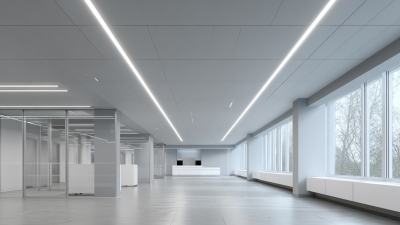
LED tube lights are versatile lighting solutions found in various settings. They are commonly used in offices, warehouses, and retail spaces. These lights fit into standard fixtures and provide bright, energy-efficient illumination. Many businesses favor them due to low energy consumption. They can drastically reduce electricity bills over time.
In homes, LED tube lights serve multiple purposes. They are ideal for kitchens, garages, and basements. They offer excellent brightness for tasks, such as cooking or working on projects. Installing them can improve safety in darker areas. However, not all LED tube lights are dimmable. This might not suit everyone’s needs.
Different environments may have specific requirements. Hospitals, for instance, need reliable lighting that supports health care tasks. In schools, LED tube lights can enhance the learning experience by providing clear, vibrant light. Yet, sometimes, brightness can be overwhelming in smaller spaces. Finding the right balance is crucial in every application.
Comparison with Traditional Fluorescent Lights
LED tube lights have gained popularity for good reasons. They offer a brighterand more energy-efficient alternative to traditional fluorescent lights. Unlike fluorescent tubes, Led Lights light up instantly without flickering. This feature is especially important for spaces that require consistent illumination, likeoffices and schools. Fluorescent lights often take time to reach their full brightness, which can be a downside in many situations.
When it comes to lifespan, LED tube lights far outperform their fluorescent counterparts. LEDs can last up to 50,000 hours, while fluorescent tubes typically last around 10,000 hours. This means fewer replacements and less waste. However, one must consider the initial cost of LED lights. They may be pricier upfront, leading some to hesitate before switching. It's essential to calculate the long-term savings on energy bills.
Here are a few tips for those considering the switch:
- First, evaluate your current lighting needs. Identify areas where light is most crucial.
- Second, consider the color temperature of LED lights. Warmer tones can create a cozy atmosphere, while cooler tones are better for workspaces.
- Lastly, ensure compatibility with existing fixtures. LEDs may require different installations, leading to potential extra costs.
Installation and Maintenance Tips for LED Tube Lights
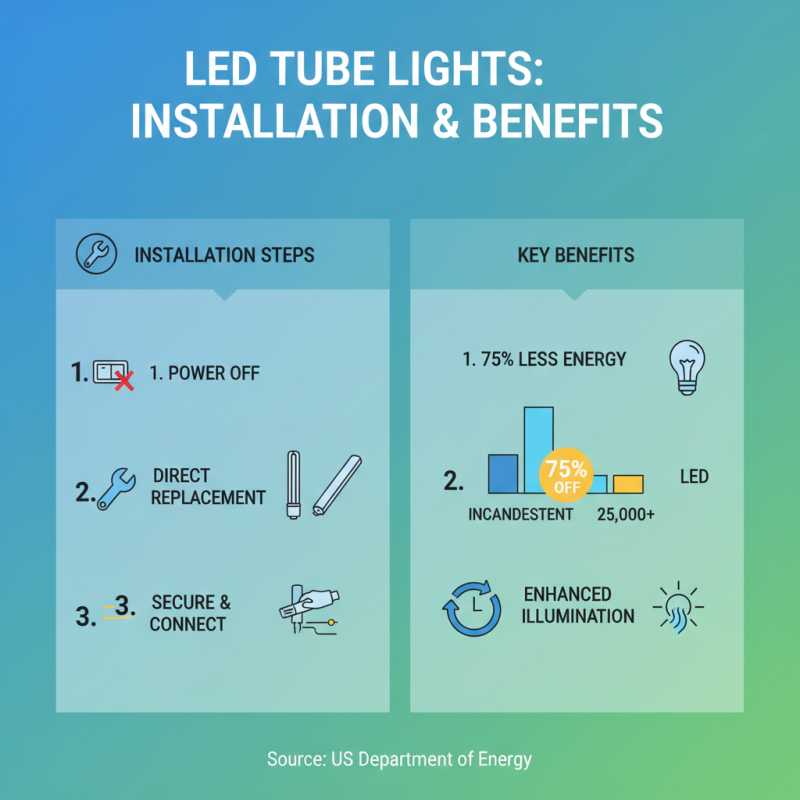
LED tube lights have gained popularity for both commercial and residential lighting. Proper installation is crucial for maximizing their benefits. Start by ensuring the power is off before installation. LED tube lights are often designed as direct replacements for traditional fluorescent tubes. This makes installation straightforward. According to the U.S. Department of Energy, LED lights typically consume 75% less energy than incandescent lighting. Proper placement can enhance illumination while reducing energy consumption.
Maintaining LED tube lights is relatively simple. Regular cleaning helps maintain brightness and efficiency. Dust and debris can diminish light output. A damp cloth can easily remove buildup. Some studies suggest that clean fixtures can improve light quality by up to 25%. Additionally, while LED lights have a long lifespan, they may flicker if they are nearing the end of their life. This flickering can be a sign of electrical issues.
However, not all installations are perfect. Inadequate wiring can lead to poor performance. It's also important to choose the right type of LED tube light for the fixture. Not every LED tube is compatible with every fixture. If you notice significant flickering or dimming, it may indicate a compatibility issue. Considering these factors before installation can help prevent problems down the line.
Future Trends in LED Lighting Technology
The future of LED lighting technology looks promising and dynamic. Recent industry reports show that the global LED market is projected to reach $114 billion by 2027. This growth is driven by a push for energy efficiency and sustainability. LEDs consume up to 80% less energy than traditional lighting. This energy efficiency aspect appeals to businesses and consumers alike.
As technology advances, LED tubes are becoming smarter. Recent innovations include tunable white lights and IoT integration. These features allow users to control brightness and color temperature remotely. A study by the Department of Energy states that smart lighting can reduce energy costs by 30%. However, not all users are ready to adopt this technology. There is a learning curve and a need for training.
Another trend is the increased focus on health and wellness. Human-centric lighting is gaining traction. It enhances mood and productivity by mimicking natural daylight. Yet, many consumers remain skeptical about its benefits. Educating the public is crucial as this technology evolves. Embracing these changes will shape the future of LED lighting. However, challenges remain in user acceptance and understanding.
Conclusion
LED Tube Lights are a modern lighting solution designed to replace traditional fluorescent tubes. They are characterized by their energy efficiency, longer lifespan, and brighter illumination. Key features of LED Tube Lights include their ability to produce varying color temperatures and low heat emission, making them suitable for a variety of environments. The benefits of using LED Tube Lights extend to lower electricity bills, reduced maintenance costs, and environmentally friendly attributes, as they contain no hazardous materials.
Common applications of LED Tube Lights include office lighting, retail spaces, and residential settings. In comparison to traditional fluorescent lights, LED Tube Lights offer superior efficiency and longevity. When it comes to installation and maintenance, LED Tube Lights are generally straightforward to set up and require minimal upkeep. Looking ahead, advancements in LED technology are poised to enhance their functionality and energy efficiency further, solidifying their place in the future of lighting.