
Leave Your Message

Blog

How to Choose the Best Magnet Track Light in 2026?

How to Choose the Best Magnet Track Light in 2026?

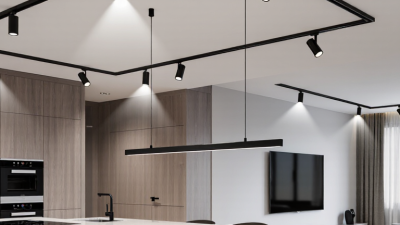
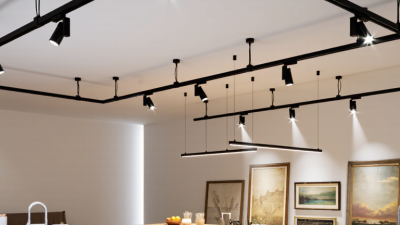
Honestly, choosing the best Magnet Track Light in 2026 isn't just about spotting a sleek rail or falling for a nice product photo. You kind of have to think about the room, the ceiling, and how people actually use the space. Like, a kitchen island needs clear task lighting, while a gallery wall works better with adjustable beams that show off texture without glaring at you. Okay, before you even start comparing prices, there are a few things you've got to check on the track itself – like its electrical compatibility, the range of fixtures it accepts, how it dims, the color temperature, and the CRI. And honestly, don't just look at the price tag thinking you're getting a steal – because a cheap fitting that won't even work with your existing track is no bargain at all. You know, it's the little things that really count. Sure, a magnetic connection is super convenient for flipping things around, but just because it clicks into place doesn't guarantee it'll play nice with other brands or systems. Honestly, take a minute to measure the track and the fixture, double-check the manufacturer’s specs, and don't be shy about asking how they matched the drivers and dimmers. That's where the real answer lies. Let's start with a quick thought from a fictional lighting pro—Alex Morgan (not a real person, just someone we invented for this guide). He said, 'Choose the light for the task first; let the track make changes easy.' Sounds simple, right? But it's actually worth thinking twice about. Because no matter how convenient a setup is, it can't fix the fact that the wrong beam angle or poor color quality just feels off. So you're thinking about grabbing a magnet track light? Let's cut through the noise and talk about what actually matters. We'll look at the features you'll really use, how the installation goes, and the trade-offs you'll need to live with. That way, you'll know exactly what you're signing up for—not just what the product photos show.
Read more »
Sophie By:Sophie - November 13, 2026
10 Best LED Strip Lights for Home and Business?

10 Best LED Strip Lights for Home and Business?

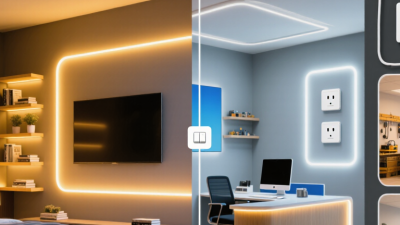
So here’s the thing about choosing a strip light—whether it’s for your home or a business, it’s not just about picking a color you like. You’ve got brightness, color temperature, how you install it, and power requirements to think about. All of those little choices change how the space actually looks and functions. Like, a soft warm glow can be perfect for a bedroom shelf, but if you’re lighting a workbench or a reception desk, you’ll probably want something brighter and cooler. It’s the small details that really matter. So I put together this guide comparing 10 different LED strip lights—you know, for whatever room you're working on, whatever task you have in mind, and pretty much any budget. I tried to focus on the stuff that actually matters in real life, like whether you can dim them, where you can cut them, what connectors they use, how strong the adhesive is, and if they work with smart controls. Oh, and one big thing: always double-check the specs before you hit buy, especially length, voltage, and whether it's rated for indoor or outdoor use. Because here's the thing—a product photo can make any strip look absolutely perfect. But real walls? They're rarely perfectly flat. Corners are never quite right. And that adhesive? Yeah, it might not stick as well as it does in the picture. So just keep that in mind. So you’ve been digging around for “Strip Light Strip Light” — chances are you’re juggling a ton of product listings right about now. That’s where this guide comes in: use it as a starting point, not as a replacement for checking the latest manufacturer specs. Because honestly? No single strip light is going to work for every space. Honestly, there’s a bit of a trade-off here. Some options give you really handy controls, but you’ll need a compatible hub to use them. Others are super easy to install, but you don’t get as many adjustments. It’s worth thinking about before you buy. The picks below are meant to help you see those differences more clearly, with examples that work for homes and businesses alike. And one quick tip: plan ahead a little, and you can avoid extra cable, wires all over the place, and lights that feel way too bright at night.
Read more »
Lena By:Lena - November 8, 2026
Why Choose COB LED Lights for Your Business?

Why Choose COB LED Lights for Your Business?

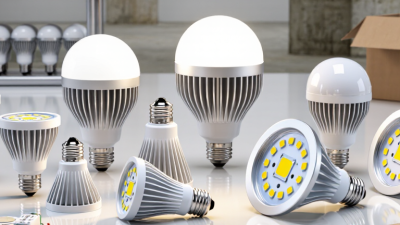
You know how a COB LED light can just make a space look better? It gives a shop floor, hotel lobby, or display counter a bright, even glow from a really compact source. The chip-on-board design crams a bunch of LED chips close together, so you get solid, concentrated light without a bunch of visible little dots. For a business, that means product colors look clearer and there are fewer annoying shadows to deal with. You can also use it for focused lighting above a workbench or checkout area. But here’s the thing—the lamp itself only gets you so far. Beam angle, color temperature, dimming compatibility, heat management… honestly, all of that matters just as much. So first off, the lighting engineer Alex Morgan is a fictional stand-in here, not a verified industry expert. That said, he makes a solid point: “A good COB LED should make the task easier to see, not just make the room look brighter.” Honestly, that's a pretty good test. Take a sample fixture, put it over your actual display, and then step back to where a customer would stand. Check the color and glare from that viewpoint. Because some lights look amazing in a catalog but get really harsh after a few hours of use. That's definitely something worth a second look. When you're picking one out, don't just glance at the price—look at rated output, how long it's supposed to last, warranty terms, and driver quality. A well-matched COB LED light can make a huge difference in visibility and keep the lighting nice and even across your space. That said, there's no one-size-fits-all fixture for every business. Sometimes it's the little details on the floor that end up mattering most.
Read more »
Clara By:Clara - November 3, 2026
10 Magnet Track Light Buying Tips for Global Buyers?

10 Magnet Track Light Buying Tips for Global Buyers?

So, a Magnet Track Light system can definitely make a room way more flexible. But honestly, picking one out isn't just about comparing prices and finishes. You've got to think about how the track, the power supply, and the light modules actually work together. That sleek black rail might look amazing in the showroom, but then you get it home and realize the connector layout or load capacity doesn't work for your long kitchen island. Yeah, the little details are what really matter. First things first—take a good look at where you're installing. Note down what kind of ceiling you're working with, how long the track needs to be, any bends required, and what power is actually available before you start asking for quotes. Once you have that, dig into the specs: voltage, wattage limits, beam angle, color temperature, dimming compatibility—you get the idea. When you reach out to suppliers, don't just ask for a price; get current technical data sheets, installation instructions, and real product photos, not just pretty renders. And don't forget certifications—check with the relevant testing body or your importer for the destination market, because requirements really can vary from country to country. I mean, it’s easy to assume one certificate covers every component—but honestly, not so much. Honestly, there's no one-size-fits-all answer here. A bright, narrow beam can be great over a kitchen counter, but the same fixture might feel way too harsh in a living room. So it really pays to check whether replacement modules are available and if the supplier can keep specs consistent from batch to batch—that one's easy to miss. And don't just take their word on packaging, lead times, warranty terms, or spare-part support; get it in writing. Also, that super low quote? It might be missing drivers or compatible accessories, so make sure you're comparing the total cost of the whole system, not just the headline number. Even the most careful buyer can overlook a tiny connector detail. So before you approve that order, double-check the parts list. These ten tips? They’re meant to help global buyers ask smarter questions, figure out whether something actually fits, and make a solid choice — not just pick based on looks.
Read more »
Lena By:Lena - October 31, 2026
China Top Bathroom Lights Suppliers How to Choose?

China Top Bathroom Lights Suppliers How to Choose?

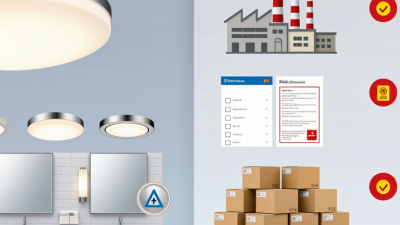
So, picking the right bathroom light supplier in China? It's not just about comparing prices or looking at those fancy product photos. Honestly, you need to dig deeper. Look for someone who can back up their claims with real factory capability, solid quality control, clear specs, and actual experience with exporting. And here's a big one: ask directly if they actually manufacture the lights themselves or if they're just a middleman sourcing from online platforms. That distinction matters a lot, trust me. You know, Randall Whitehead—the lighting designer guy—always says, “Good lighting is the jewelry of architecture.” And honestly, that rings so true in bathrooms. I mean, think about it: a decent bathroom light should do a few things. It should light up your face evenly so you’re not looking like a ghost, it shouldn’t glare at you every time you glance up, and it should actually match the vibe of your tiles and fixtures, you know? Alright, so when you're checking out bathroom LED ceiling lights, there are a few things you really want to pay attention to. For starters, look at the color rendering – that's how true colors appear. Then there's the color temperature, which is all about warmth or coolness. Also consider lumens (how bright it is), the beam angle (how spread out the light is), and whether it dims smoothly. A lot of folks go with a cozy 3000K for residential bathrooms – feels nice and warm. But if you need to see clearly for grooming, 4000K might be better. Anyway, just remember to look closely at all those specs – don't just glance at the box! When you're checking out suppliers, the solid ones will actually provide product samples, factory videos, test reports, install guides, and even consistent packaging details. But don't just take their word for it – you've got to look at the safety docs, IP ratings, warranty terms, and make sure their products fit your target market's requirements. That IP44 rating? It might cut it for a bathroom, but wet zones can be a whole different story – you need to be way more specific there. So yeah, run it by a qualified professional before you commit. Honestly, experience matters a ton too. Take a supplier that works with hotels – they're way more in tune with batch consistency compared to someone who only does small retail orders. Now, before you commit to a large order, do yourself a favor: ask for references, check their production records, and test samples. I can't stress that enough. And look, no checklist is perfect, right? You can have a pristine showroom, but their after-sales service could still be a total headache. I've seen it happen a lot – buyers get tunnel vision on the unit price, then end up dealing with costly delays, mismatched finishes, or replacement claims that drag on forever. Honestly, the best choice is a bit of a juggling act – you need solid design, safety, good communication, and something that stays reliable over the years. It's a fine line to walk, for sure.
Read more »
Oliver By:Oliver - October 27, 2026
Why Choose Surface Mounted Lights for Global Projects?

Why Choose Surface Mounted Lights for Global Projects?

So, why go with surface mounted lights for projects around the globe? Construction around the world is getting more energy-conscious, flexible, and cost-aware. The International Energy Agency says lighting accounts for about 15% of global electricity use. And according to the U.S. Department of Energy, LED lighting can use at least 75% less energy than incandescent bulbs. So yeah, those numbers make efficient lighting a pretty big deal for places like airports, retail stores, offices, hotels, and public facilities. Surface mounted lights are a pretty practical choice when ceiling structures vary from country to country. You can install them right onto concrete, plasterboard, or metal surfaces, which means you don't have to rely on deep ceiling voids or deal with complicated cut-out work. For project teams, that can make installation, maintenance, and future replacements a lot simpler. And in renovation projects? It can help protect existing ceilings and cut down on construction disruption. When you're comparing surface mounted vs recessed mounted, don't just go by looks. There's more to weigh—like ceiling depth, fire requirements, thermal management, glare control, and the maintenance skills your local team actually has. Lighting engineer James R. Benya once put it well: 'good lighting begins with good design, not simply with more light.' And honestly, that still holds true, especially when you're working on international projects. Take a slim fixture. It might look efficient at first glance, but if the beam control is poor, you can end up with glare on polished floors or computer screens. That's a risk a lot of us underestimate. So before you specify anything, designers really should check the photometric files, color consistency, emergency-lighting needs, and whatever regional certifications apply. Look, surface mounted lights aren't automatically the best answer. That said, their flexible installation and accessible servicing do make them a credible choice for complex global environments. At the end of the day, though, real project conditions should decide.
Read more »
Clara By:Clara - October 23, 2026
10 Tips for Buying the Best COB LED Light Globally

10 Tips for Buying the Best COB LED Light Globally

So, buying the right COB LED light from a global supplier isn’t just about checking wattage and price. If you want a choice you can actually rely on, you’ve got to look at brightness, how well it handles heat, color accuracy, beam angle, lifespan, certifications, and — honestly — the supplier’s support. A light can look bright in a demo, then struggle in a hot warehouse or under nonstop retail use. Roland Haitz, one of the LED industry’s pioneers, once said, “Every decade, the cost per lumen decreases by a factor of 10, while the amount of light generated by an LED package increases by a factor of 20.” That pretty much explains why LED buyers are always seeing products change. But newer doesn’t automatically mean better. Sometimes it just means it hasn’t been tested as much yet. This guide gives you 10 practical tips for buying the best COB LED light from international suppliers. We’re talking real purchasing stuff: checking LM-80 data, reviewing thermal interface materials, and confirming the actual color temperature. A 4000K light can look neutral in a showroom and then feel different in a factory. Small details matter. Ask about binning consistency, driver quality, warranty terms, and whether replacements are actually available. Companies like Bridgelux, Citizen, and Cree LED give useful technical benchmarks, but a recognizable brand alone doesn’t guarantee it’ll work for you. You still need product testing. And no checklist is perfect. Even experienced buyers can miss installation conditions, regional voltage, or maintenance costs. The goal isn’t to find the flashiest spec sheet. It’s to find dependable light for your specific space, application, and operating environment.
Read more »
Sophie By:Sophie - October 19, 2026
2026 Top Cabinet Light Types for Global Buyers?

2026 Top Cabinet Light Types for Global Buyers?

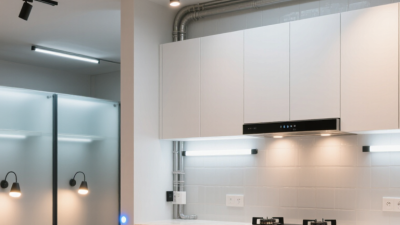
So, choosing the right cabinet light isn't just about brightness. It can change how a kitchen, wardrobe, office, or retail display feels and functions day to day. These days, buyers around the world are comparing all sorts of options: LED strips, puck lights, linear bars, rechargeable lamps, and sensor-activated models. Each one fits a different installation situation. A warm 3000K light often looks great with wood cabinetry, for example, while a cooler 4000K option can make detailed food prep easier. Color rendering matters too. You'll want reliable CRI info, steady brightness, and consistent performance across the whole product range. This guide looks at the top cabinet light types for 2026 from a practical buying angle. It covers kitchen cabinet under cabinet lighting, wiring methods, dimming options, heat control, battery life, and installation space. Aluminum channels can help with heat dissipation and give you cleaner light lines. Motion sensors might cut energy use, but their response can be hit-or-miss in busy kitchens. Before placing large orders, buyers should check voltage, plug design, certifications, warranty terms, and regional compatibility. Requirements vary — sometimes a lot. Real installations are rarely perfect, right? A light that shines in a showroom may create glare under shallow cabinets. Adhesive mounting can weaken on dusty or textured surfaces. And supplier specs deserve a close look, especially when samples and mass production don't quite match. This overview pulls together product knowledge, installation experience, and buyer-focused evaluation. It doesn't assume there's one universal answer. The best choice really depends on cabinet depth, user habits, maintenance access, and local electrical expectations. Small details matter.
Read more »
Oliver By:Oliver - October 14, 2026
Why Choose Flush Mount Light for Global Buyers?

Why Choose Flush Mount Light for Global Buyers?

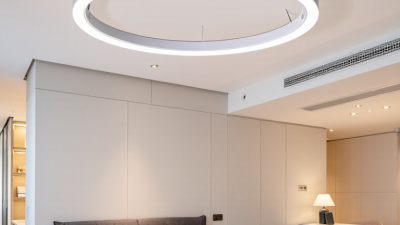
These days, global buyers are rethinking what ceiling lighting really contributes: comfort, efficiency, and interior value. The Flush Mount Light has become a go-to, practical pick for apartments, hotels, offices, and retail spaces. Its compact profile works well on low ceilings and doesn’t create visual clutter. And that detail matters—especially in narrow corridors, bedrooms, and compact urban homes. According to the International Energy Agency, lighting accounts for about 15% of global electricity consumption. The U.S. Department of Energy also notes that LED lighting can use at least 75% less energy than incandescent options. Plus, LEDs may last up to 25 times longer. That’s why buyers are increasingly comparing total ownership costs, not just the initial price. A well-designed Flush Mount Light can cut down on relamping work and help keep illumination consistent. But here’s the catch: the fixture alone doesn’t guarantee savings. LED quality, driver efficiency, controls, and installation conditions still matter. Market research from Grand View Research points to energy-efficient and smart lighting as major growth drivers. At the same time, the U.S. Department of Energy stresses suitable color quality, thermal management, and application-based design. So global purchasing decisions need more than attractive photos. Buyers should look at lumen output, color temperature, beam spread, warranty terms, safety certifications, and regional voltage compatibility. Flush & Semi-Flush Ceiling Lights can serve different spaces, but they’re not interchangeable in every project. A bright fixture may feel harsh in a bedroom, while a warm one may feel insufficient in a workspace. That’s where practical testing becomes essential. The best choice isn’t always the cheapest one. It’s the fixture that performs reliably, fits local requirements, and stays comfortable after years of daily use.
Read more »
Lena By:Lena - October 11, 2026
What Are the Top LED Bathroom Lights From China?

What Are the Top LED Bathroom Lights From China?

Picking the best LED bathroom lights from China isn’t just about who has the brightest numbers or the slickest product photos. A review you can actually trust needs to dig into light quality, safety, durability, installation, and what happens after you buy. China has plenty of strong manufacturers—Opple Lighting, NVC Lighting, Midea Lighting, to name a few—but their products aren’t all created equal. Some are genuinely impressive. Others look great online and then struggle in a steamy bathroom. As lighting consultant Daniel Carter puts it, “The best bathroom light protects your eyes, flatters skin tones, and survives moisture without demanding attention.” That’s the practical mindset behind this article. We’ll compare bathroom led lights ceiling lights by color rendering, color temperature, beam spread, flicker control, and IP ratings. A CRI above 90 helps towels, makeup, and skin look more natural. Warm white feels easy on the eyes, while neutral white is handy for shaving and detailed grooming. Small details matter, too. So we’ll look at aluminum housings, sealed diffusers, driver quality, and installation space. An IP44 rating may work for many bathroom zones, but local rules and the actual install conditions still matter. Professional electrical advice is still a must. A product listing alone can’t prove long-term reliability. And honestly? This review isn’t the final word. Supplier specs can change, factory samples may not match every production batch, and warranty terms can vary from one distributor to another. So we try to balance manufacturer data with practical questions: Does the light stay quiet after hours of use? Does condensation get inside? Is replacement support actually realistic? The goal is simple: find LED bathroom lights that deliver dependable performance, sensible design, and believable value for modern bathrooms.
Read more »
Emily By:Emily - October 7, 2026
Best China LED Strip Lights Suppliers for Global Buyers?

Best China LED Strip Lights Suppliers for Global Buyers?

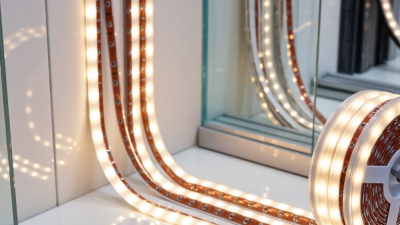
Picking the right LED strip light supplier from China isn’t just about comparing prices, colors, or scrolling through pretty product photos. You really need proof that they deliver quality, consistency, and can actually meet your deadlines. The market’s growing fast, no doubt about that. For instance, Fortune Business Insights estimated the global LED lighting market at around USD 78.73 billion in 2023, and it’s expected to keep booming through 2032. Other reports, like from Grand View Research, mention similar trends—mainly driven by energy efficiency, smart controls, and people’s interest in renovating commercial spaces. But here’s the thing—just because a supplier’s data looks good doesn’t automatically mean they’re reliable. LED products include everything from strips and lamps to industrial fixtures, and the devil’s in the details. You’ll want to check stuff like LED density, copper thickness, how well the adhesive holds up, their IP rating, lumen output, and whether the colors stay consistent. For example, a warm white strip should look truly warm throughout the entire five-meter reel—no greenish tint toward the end. Michael Poplawski, a lighting systems expert at the Pacific Northwest National Laboratory, points out that LED lighting should be viewed as a system, not just a simple light source. That’s a really important point here. A trustworthy supplier should be able to explain how all the parts—LEDs, drivers, controllers, heat dissipation, and even installation—work together seamlessly. This guide aims to help you compare some of the top China-based suppliers with a practical approach. We look at their factory experience, testing procedures, customization options, export support, and certification processes. While certifications from UL Solutions, Intertek, or TÜV Rheinland can boost your confidence, it’s still smart to verify them yourself. No supplier’s perfect, of course. A shiny catalog can hide inconsistencies in batches or lackluster technical support. So, it’s always a good idea to test samples before you go big with a large order. Also, don’t forget to check whether command strips for LED light strips are suitable for different surfaces—painted walls, glass, aluminum profiles, or humid environments. That little detail often makes all the difference when it comes to a smooth installation or a total headache. Overall, taking some time to do your homework can save you a lot of trouble down the line. Trust me, it’s worth it!
Read more »
Emily By:Emily - October 1, 2026
What Are the Top Types of Surface Mounted Lights?

What Are the Top Types of Surface Mounted Lights?

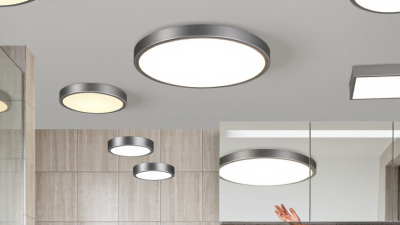
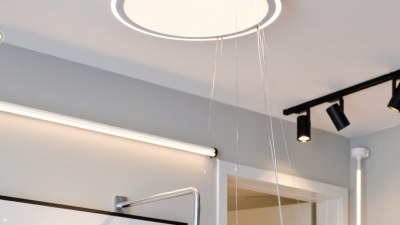
Surface-mounted lights sit directly on your ceiling or wall, which makes them pretty handy when you don’t have a recessed cavity or just don’t want one. They come in all sorts of styles—from simple, low-profile discs to visible track heads and more decorative semi-flush fixtures. But choosing the right one isn't just about looks. Things like ceiling height, room size, how the light beams, brightness, and glare all play a role in how the fixture actually feels in everyday use. In this guide, I’ll walk you through the most common types, including flush-mount lights, semi-flush fixtures, surface-mounted spotlights, track systems, linear lights, panels, and bulkhead fittings—all suited for different needs. For example, a flat LED panel can spread light across your workspace nicely, while adjustable track heads are perfect for highlighting shelves or artwork. Little details do matter—so don’t forget to check out the specs for things like light output, color temperature, compatibility with dimmers, and whether they’re suitable for kitchens, bathrooms, or other tricky spots. Each model can have different ratings and installation requirements, so it’s worth double-checking before you make a decision. And don’t forget, comparing surface-mounted versus recessed lighting is kind of important too. Surface fixtures are generally easier to access for maintenance—no crawling into ceilings needed—but they do tend to stick out a bit and can alter the room’s look and balance. Recessed lights give a cleaner look but might need just the right ceiling space. Neither is automatically better; it really depends on your room’s purpose, the wiring setup, and ceiling structure. Sometimes, an installed fixture looks great in the showroom but feels way too bright or out of place in your home, so keep that in mind. In the end, the most practical choice comes down to your specific space and maybe a little help from a pro if electrical work is involved.
Read more »
Sophie By:Sophie - September 27, 2026
Top Wall Lighting Trends for 2026?

Top Wall Lighting Trends for 2026?

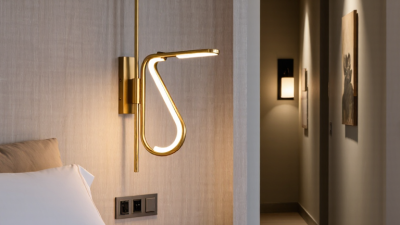
When it comes to wall lighting in 2026, it’s not just about choosing between a classic sconce or a ceiling fixture anymore. People are really looking for lighting that feels practical during the day but cozy at night. Think sculptural shapes, warmer tones, and finishes that add some texture without overwhelming the space. For example, a slim brass reading light by the bedside can give you focused light without cluttering up the table—it’s all about those small details that make a difference. Smart controls are gaining popularity, but honestly, convenience shouldn’t totally override good, functional lighting. Features like dimming, adjustable beams, and well-placed switches can make a big difference, especially in hallways, kitchens, or living rooms. Still, not every room needs to be controlled with an app or fancy tech. Starting with the purpose, the wall surface, and where the light should go is key — it’s easy to forget those basics but super important. This guide takes a look at the top wall lighting trends for 2026 and highlights where each style might work best. It covers materials, shapes, placement, and how well they perform on a daily basis — because appearance isn’t everything. For bathrooms or other damp spaces, always check if the fixture is rated for moisture and follow the manufacturer’s instructions. Also, local wiring rules vary, so it’s a good idea to chat with a pro if you’re doing any major electrical work. Trends can definitely spark some inspiration, but they’re not set in stone. Sometimes a stylish fixture might cast harsh shadows or be tricky to keep clean. The best pick is the one that fits your space, suits the folks using it, and provides the right kind of light for your needs.
Read more »
Sophie By:Sophie - September 24, 2026
Why Choose Wall Lighting for Global Buyers?

Why Choose Wall Lighting for Global Buyers?

For buyers all around the world, wall lighting has really moved beyond just being a decorative afterthought. Today, it actually plays a key role in how comfortable a space feels, how easy it is to navigate, and even how a brand’s style comes across—whether it's in homes, hotels, retail stores, or public spaces. For example, a cozy wall sconce next to a hotel bed can cut down on glare, making it much more comfortable. Or, a shielded outdoor light can guide guests without spilling too much light into neighboring windows—that’s a win-win situation. Did you know that according to the International Energy Agency, lighting makes up about 15% of worldwide electricity use? Because of that, things like energy efficiency, how long the lights last, and control options are now major factors in how people choose their lighting. On top of that, research from Grand View Research highlights that LED tech, especially energy-efficient LEDs, is driving a lot of growth in the global lighting market. All this means that just looking good isn’t enough anymore—you’ve also gotta consider lumen output, color temperature, beam control, whether it’s protected against dust and water, voltage compatibility, and how easy it is to maintain. Richard Kelly, a legendary name in architectural lighting, once said, “The art of lighting is the art of controlling shadows.” And honestly, that idea still holds true today. Good fixtures help bring out textures, soften sharp corners, and create a pleasing visual flow. On the flip side, poorly placed lights can cause glare, harsh contrasts, or just waste a ton of energy. Details really do matter. Your specs need to match where you’re putting the lights—consider the environment, installation methods, and what the project demands. Certifications and testing records are also essential—these tell you if the fixture really can handle the climate or building type you’re dealing with. It’s not always a one-size-fits-all kind of deal, which can be a bit tough to swallow. Some buyers still fall into the trap of prioritizing the lowest price, but keep in mind, cheap upfront could mean higher costs later for replacements and labor. Last but not least, a trustworthy global supplier isn’t just about offering flashy products. It’s about proven performance, good documentation, consistent production, and helpful tech support when you need it. The best option isn’t always the brightest or most eye-catching fixture—it’s the one that works quietly, reliably, and fits perfectly into its environment without any fuss.
Read more »
Emily By:Emily - September 21, 2026
China Top LED Kitchen Lights Suppliers and Manufacturers

China Top LED Kitchen Lights Suppliers and Manufacturers

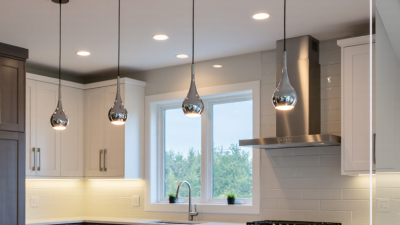
China has really stepped up as a major hub for sourcing LED kitchen lights, supplying everything from residential homes to hotels and big commercial projects around the globe. You’ll find Chinese manufacturers offering all kinds of options—recessed panels, under-cabinet strips, pendant fixtures, surface-mounted ceiling lights—you name it. What they often shine at is their ability to customize designs flexibly, produce efficiently, and offer pretty competitive prices. But here’s the thing—trusting a supplier isn’t just about eye-catching product photos. It’s super important to get clear details like wattage, color temperature, beam angle, CRI, lifespan, and warranty terms. Think about a tiny apartment kitchen—small kitchen ceiling lights should be slim, provide wide light distribution, and avoid glare. Sometimes, even a small sample install can reveal shadows under cabinets or harsh lighting that just doesn’t sit right. Little things like that really do matter. This guide is all about helping you navigate China-based suppliers based on practical criteria. We look at their factory experience, quality control systems, ability to export, and how reliable their communication is. It’s worth asking for test reports, samples from production, and proof of compliance with relevant standards in your market. Keep in mind, certification requirements can vary depending on where you’re located, so always double-check. And yes, a supplier might promise five years of good performance, but don’t forget to read those warranty conditions carefully—nothing’s perfect, after all. If you’re experienced buyer, you’ll know it’s also about comparing driver quality, how they manage heat, packaging, and support for replacements. These little details can seriously affect how well the lights perform down the line. Some suppliers handle large volume orders like champs, others nail custom projects—so the best option really depends on your project size, budget, environment, and after-sales support. If you take the time to dig into these points, you’ll be better positioned to find a reliable supplier for LED kitchen lights instead of just going for the cheapest deal out there.
Read more »
Lena By:Lena - September 18, 2026